From Udder Nonsense to Protein Powerhouse: A Cheeky History of Milk
“Int milk brilliant?”
In the mid-1990s, Paul Whitehouse, standing there with bottle in hand in those unforgettable British Milk adverts, asked the nation that very question with trademark understatement. It wasn’t shouted, it wasn’t flashy. It was quietly confident — because it didn’t need to try very hard.
Milk had already been winning hearts (and stomachs) for thousands of years.
At first glance, milk seems… ordinary. White. Cold. Something you splash in tea without thinking. But dig just a little deeper, and you realise milk has one of the strangest, longest and most influential backstories of any food humans consume.
This is the story of how milk went from “should we really be drinking this?” to becoming a cornerstone of modern nutrition, a reliable protein source, and a key ingredient in the ready-to-go shakes and drinks you now find in vending machines and Grab&Go Smart Fridges across the UK.
So pop the kettle on, grab a brew — and let’s talk milk.
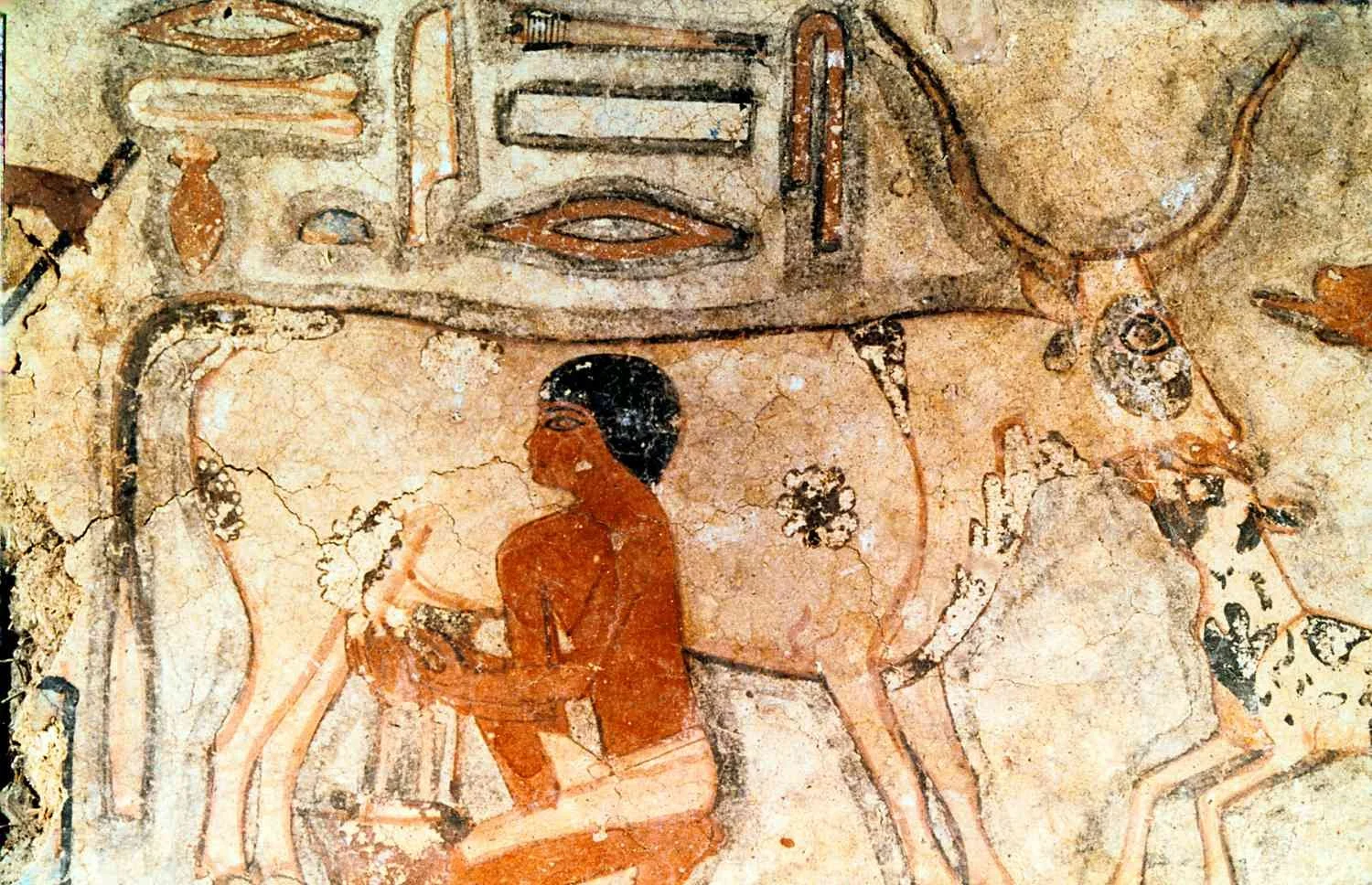
Why Did Humans Start Drinking Milk in the First Place?
Let’s rewind about 10,000 years.
Humans have just about nailed farming. Crops are growing. Animals are being domesticated. And at some point, someone looked at a large, slightly irritated cow and thought:
“Well… the calf seems to like that.”
Early humans didn’t set out to invent lattes. They were simply trying to survive. Milk offered something incredible:
Calories
Fat
Protein
Hydration
All in one handy, renewable package.
The earliest evidence of dairying appears in the Middle East, Europe and parts of Africa, where humans domesticated cattle, goats and sheep. At first, milk was probably consumed raw and locally — straight from animal to human, with no fridge, no bottle, and definitely no sell-by date.
Was it risky? Absolutely.
Was it nutritious? Even more so.
The Evolutionary Plot Twist: Lactose Tolerance
Here’s where milk gets genuinely fascinating.
Most mammals stop producing the enzyme lactase (which breaks down lactose) once they’re weaned. Humans were no different — until some of us mutated.
In populations where dairy farming became common, people who could digest milk into adulthood had a serious advantage. They had:
Extra nutrition during famines
A safe liquid source when water wasn’t reliable
Better survival rates
Over time, this genetic trait — lactase persistence — spread rapidly. In fact, people in Britain developed lactose tolerance earlier than many other European populations, making dairy a deeply embedded part of our diet.
Milk didn’t just feed people. It shaped human biology.
Milk in Medieval and Pre-Industrial Britain
For centuries in Britain, milk was:
Local
Fresh
Unpredictable
If you lived near a cow, you drank milk. If you didn’t, you probably didn’t.
Milkmaids, dairy churns, butter pats and cheese wheels were part of everyday life, but milk itself didn’t travel well. Without refrigeration or treatment, it spoiled quickly and could carry disease.
Which brings us neatly to…
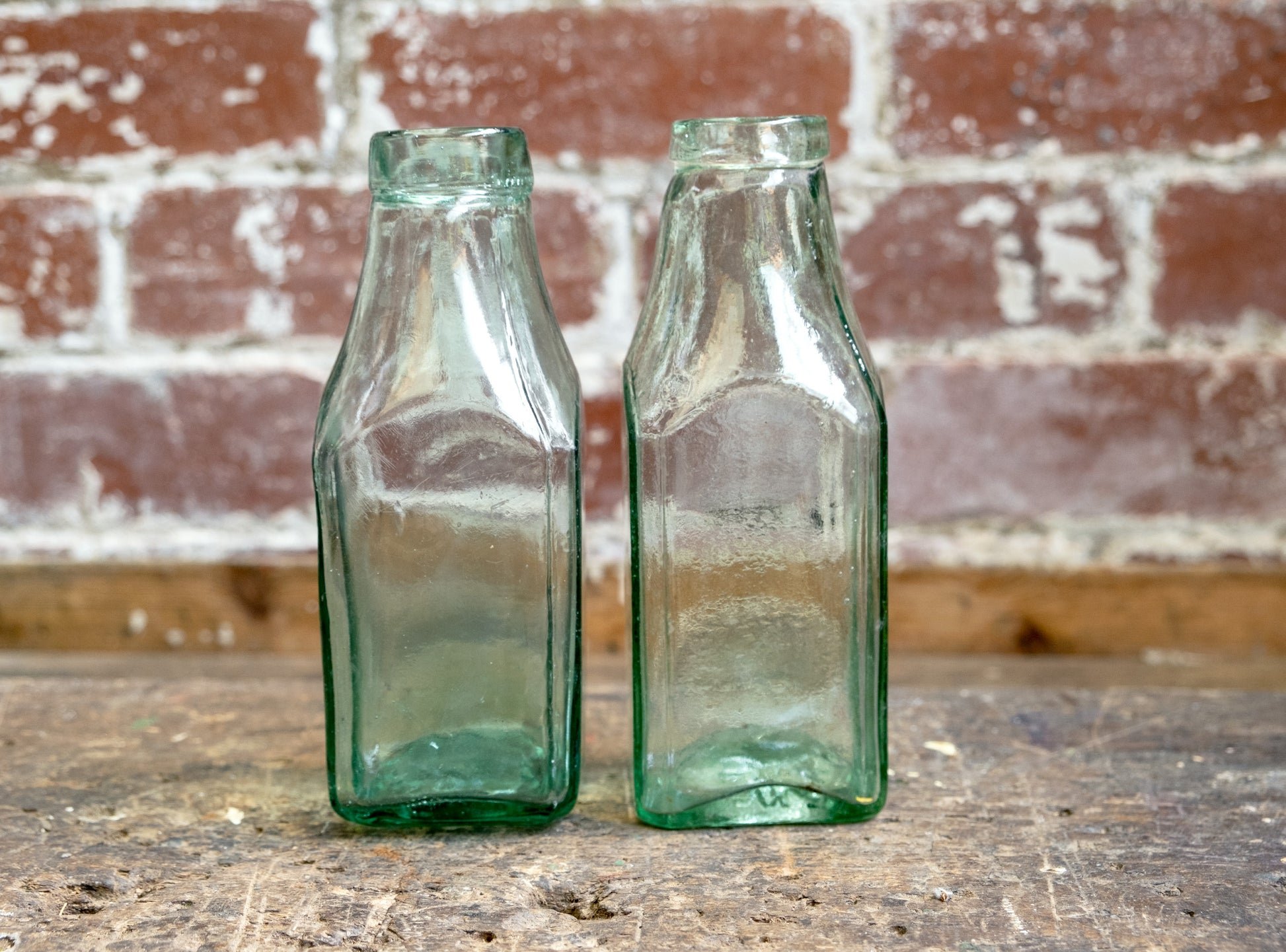
Pasteurisation: When Milk Got a Safety Upgrade
By the 19th century, cities were growing fast. Milk was being transported into towns and cities like London — and that’s where problems started.
Raw milk could (and did) carry:
Tuberculosis
Typhoid
Scarlet fever
Enter pasteurisation — heating milk just enough to kill harmful bacteria while keeping its nutritional value intact.
Suddenly, milk became:
Safer
More consistent
Suitable for mass distribution
Glass bottles appeared. Milk rounds became a thing. And milk shifted from a risky local product to a national staple.
This single change arguably saved thousands of lives and laid the groundwork for everything that came after — including modern milk-based drinks.
Milk Isn’t Just Milk: What’s Actually in It?
Milk might look simple, but nutritionally it’s doing a lot of heavy lifting.
Roughly speaking, milk contains:
Water (about 87%)
Carbohydrates (lactose)
Fat
Vitamins & minerals (including calcium and B12)
Protein
That protein is the real star.
Milk proteins — primarily casein and whey — are complete proteins, meaning they contain all nine essential amino acids your body needs. That’s why milk has remained relevant even as diets, lifestyles and food trends have changed dramatically.
Fun Milk Facts (Because Why Not?)
Let’s lighten things up a bit.
🐄 Milk Fun Facts
The average dairy cow produces around 25–30 litres of milk per day
Cows drink up to 100 litres of water daily to make that milk
Milk was once sold loose from open buckets (yes, really)
Cheese exists largely because humans needed a way to store milk protein for longer
Milk is one of the most regulated foods in the UK
And perhaps the most surprising fact of all:
Humans are the only species that regularly drinks another animal’s milk into adulthood.
Odd when you think about it. Brilliant when you taste it.
Milk Myths… Debunked
Milk gets a bad rap in some corners of the internet. Let’s clear a few things up.
❌ Myth 1: “Milk isn’t natural for humans”
Milk consumption is one of the best examples of human adaptation. Our ability to digest milk is a direct result of evolution responding to diet and environment.
If anything, milk is too successful.
❌ Myth 2: “Milk has no nutritional value”
Milk contains high-quality protein, calcium, iodine and vitamins that are hard to replace easily. That’s why it still features in dietary guidelines and sports nutrition.
❌ Myth 3: “All milk is bad for digestion”
Some people are lactose intolerant — and that’s fine. But many people digest milk perfectly well, especially in processed forms like shakes, yoghurts and flavoured drinks.
❌ Myth 4: “Milk protein is outdated”
Milk protein remains one of the gold standards for muscle repair and satiety. That’s why it’s still widely used in modern protein products.
From Milk Bottle to Protein Bottle
Fast-forward to the late 20th century.
Milk isn’t just poured anymore — it’s engineered.
Flavoured milks appear. Milk-based drinks become shelf-stable. Protein content is enhanced. Suddenly, milk fits modern life just as neatly as it did ancient farming life.
In the UK, milkshakes such as Yazoo became a household name — familiar, nostalgic, and quietly nutritious.
More recently, protein-focused brands like Barebells have taken milk protein and packaged it into convenient, great-tasting shakes designed for busy, active lives.
Milk didn’t disappear. It evolved.
Why Milk Protein Works So Well in Modern Vending
Today’s consumers want:
Convenience
Nutrition
Taste
Speed
Milk-based protein drinks tick every box.
They’re:
Ready to drink
Naturally high in protein
Familiar and trusted
Easy to store ambient/chilled
Which makes them perfect for vending machines and Grab&Go Smart Fridges — whether that’s in offices, gyms, hospitals or public spaces.
Milk has gone from farmyard staple to frictionless nutrition.
The Cultural Moment: “Int Milk Brilliant?”
Back to that phrase.
Those British Milk adverts weren’t flashy because they didn’t need to be. Milk already had history, trust and familiarity on its side.
When Paul Whitehouse asked “Int milk brilliant?”, the nation nodded along because… well, it kind of is.
From prehistoric survival food to protein-packed modern shakes, milk has stayed relevant by adapting without losing its core value.
So… Is Milk Still Brilliant?
Milk has:
Survived thousands of years
Shaped human evolution
Powered farming, cities and industries
Adapted to modern nutrition needs
Become a reliable protein source on the go
And now it sits chilled, ready and waiting in vending machines and Grab&Go Smart Fridges — not as a relic of the past, but as a perfectly modern food.
So yes.
With confidence.
Bottle in hand…
Int milk brilliant?
Absolutely.
#IntMilkBrilliant #MilkFacts #FoodHistory #BritishFood #EverydayNutrition #OnTheGoFood #GrabAndGo #BritishAds #BritishDairy #UKDairy #DairyFarmingUK #BritishFarmers #SupportBritishFarming #BackBritishFarming #FromFarmToFridge